Welcome to the Experimental Physics 6 – Solid-State Physics lecture, SoSe2026!
Exam
28.07, 13:00 in Großer Hörsaal:
results (exam papers can be seen on 17.08 at 12:00 in SR225)
second attempt: 29.09 at 13:00 in Kleiner Hörsaal
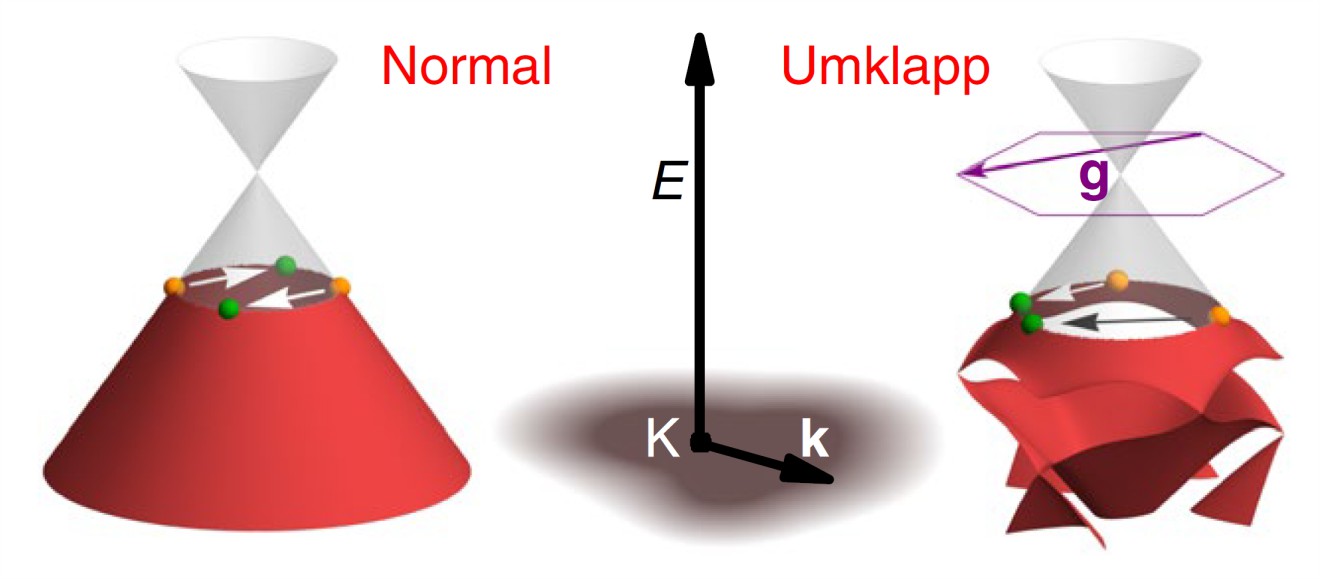
Lecture 22 (26.06.2026). Scattering and its implications
How resistivity changes with temperature and why metals conduct heat
residual resistivity ratio
dielectric materials
Rudolf Peierls
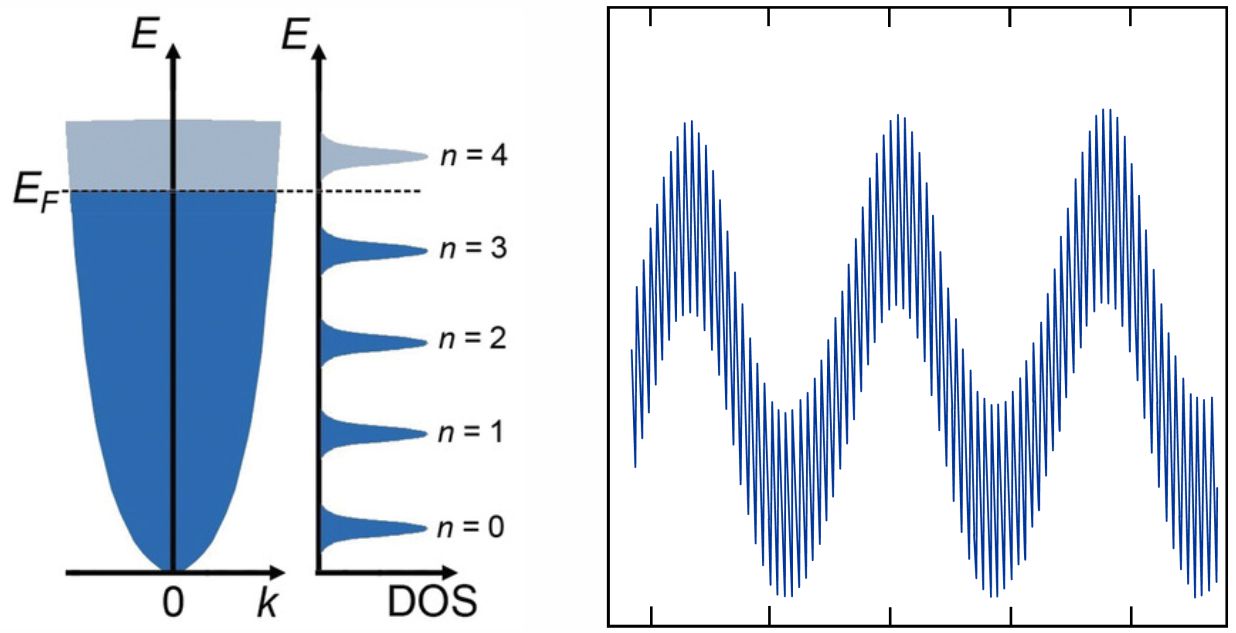
Lecture 21 (25.06.2026). Landau levels and quantum oscillations
Cyclotrons, new effective mass, and extremal orbits
Fermi surface determination
2D electron gas
Shubnikov and de Haas
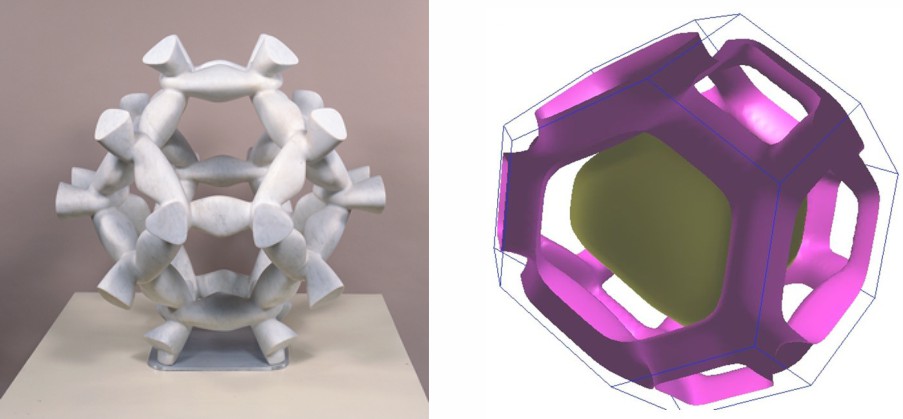
Lecture 20 (19.06.2026). Fermiology
Where the electrons move, and how solid-state physics meets art
magnetoresistance
copper and its alloys
David Shoenberg
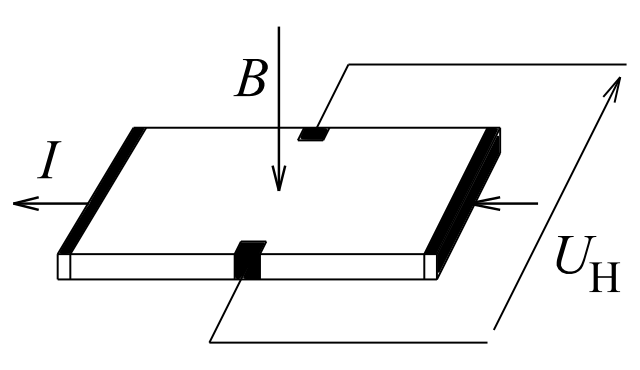
Lecture 19 (18.06.2026). How electrons move?
Negative (effective) mass and its implications
Hall measurements
graphene
Andrey Geim
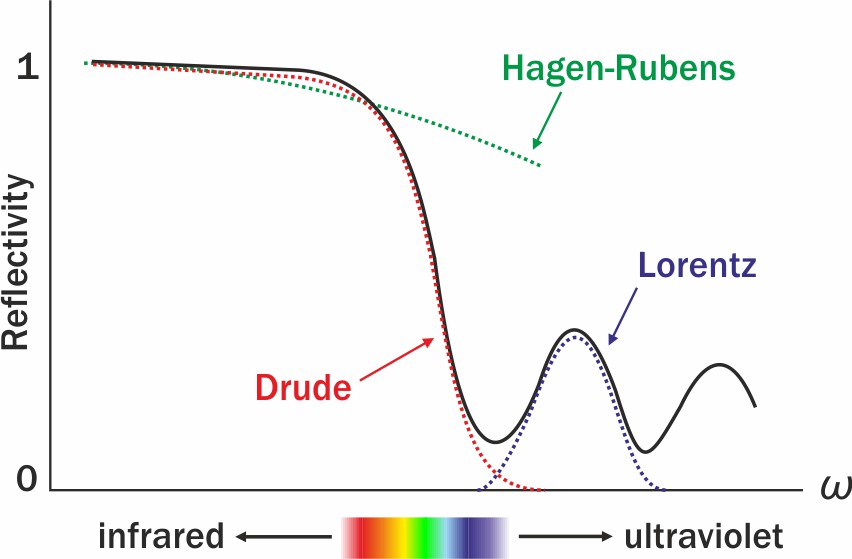
Lecture 18 (12.06.2026). Optical properties of metals
Why metals reflect light and what can make them colored
optical spectroscopy
coinage metals
Kramers and Kronig
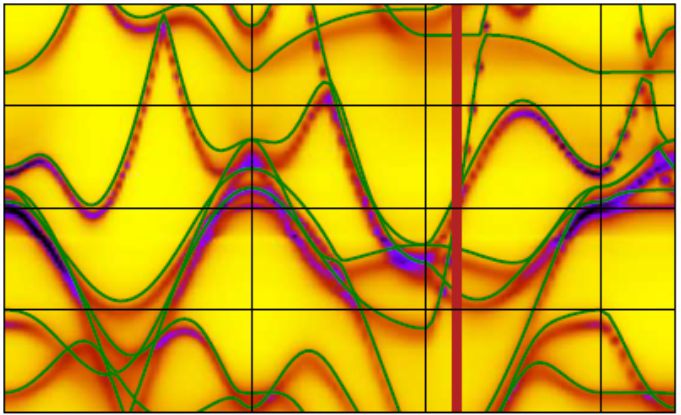
Lecture 17 (11.06.2026). Electronic band structure
Brillouin zone is back, now with the new content
angle-resolved photoemission spectroscopy
alkaline metals
Felix Bloch
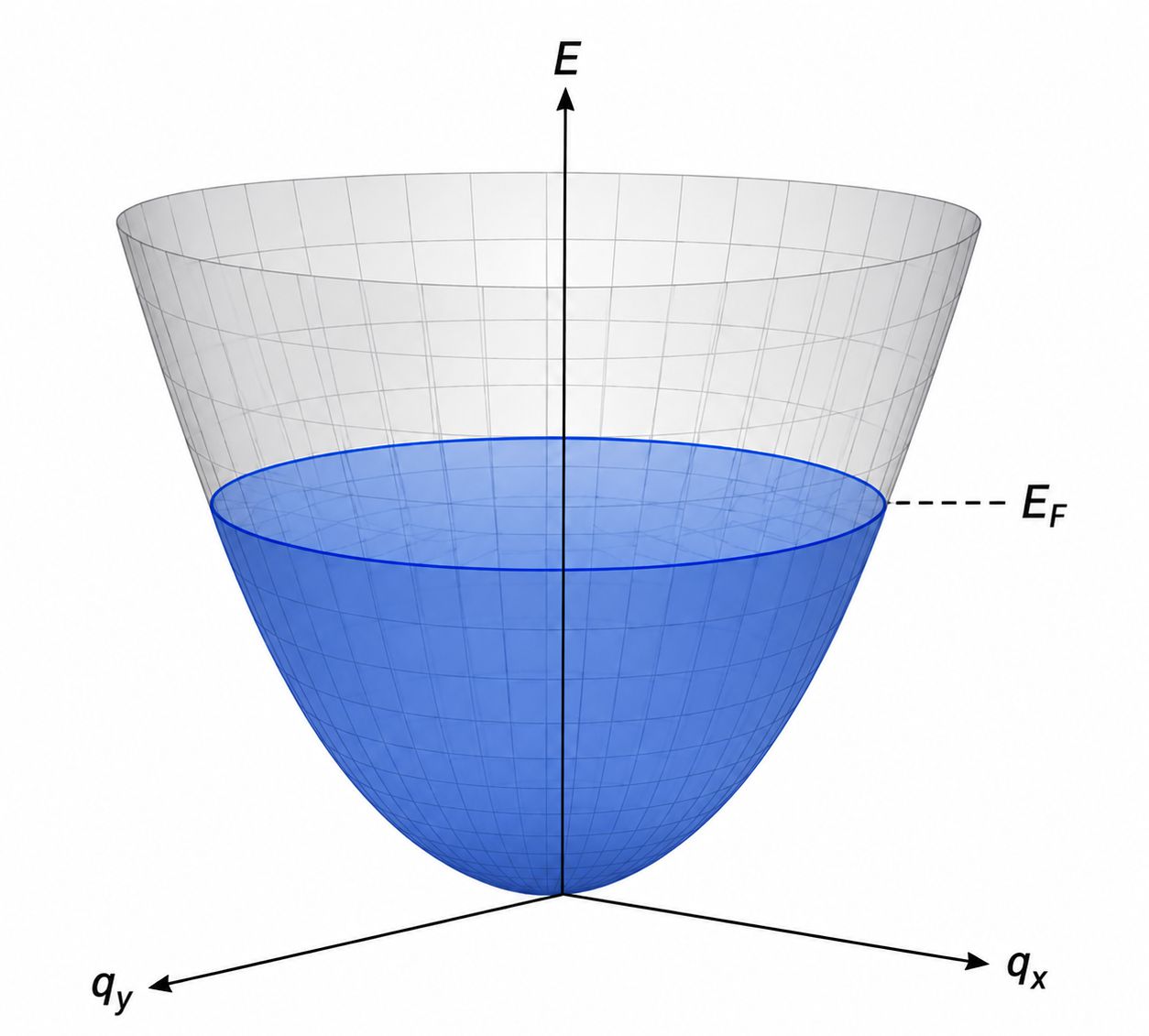
Lecture 16 (5.06.2026). Metal as quantum gas: Drude-Sommerfeld model
From mundane heat capacity to white dwarves and neutron stars
specific heat (as a microscopic probe)
white dwarves as Fermi gas
Arnold Sommerfeld
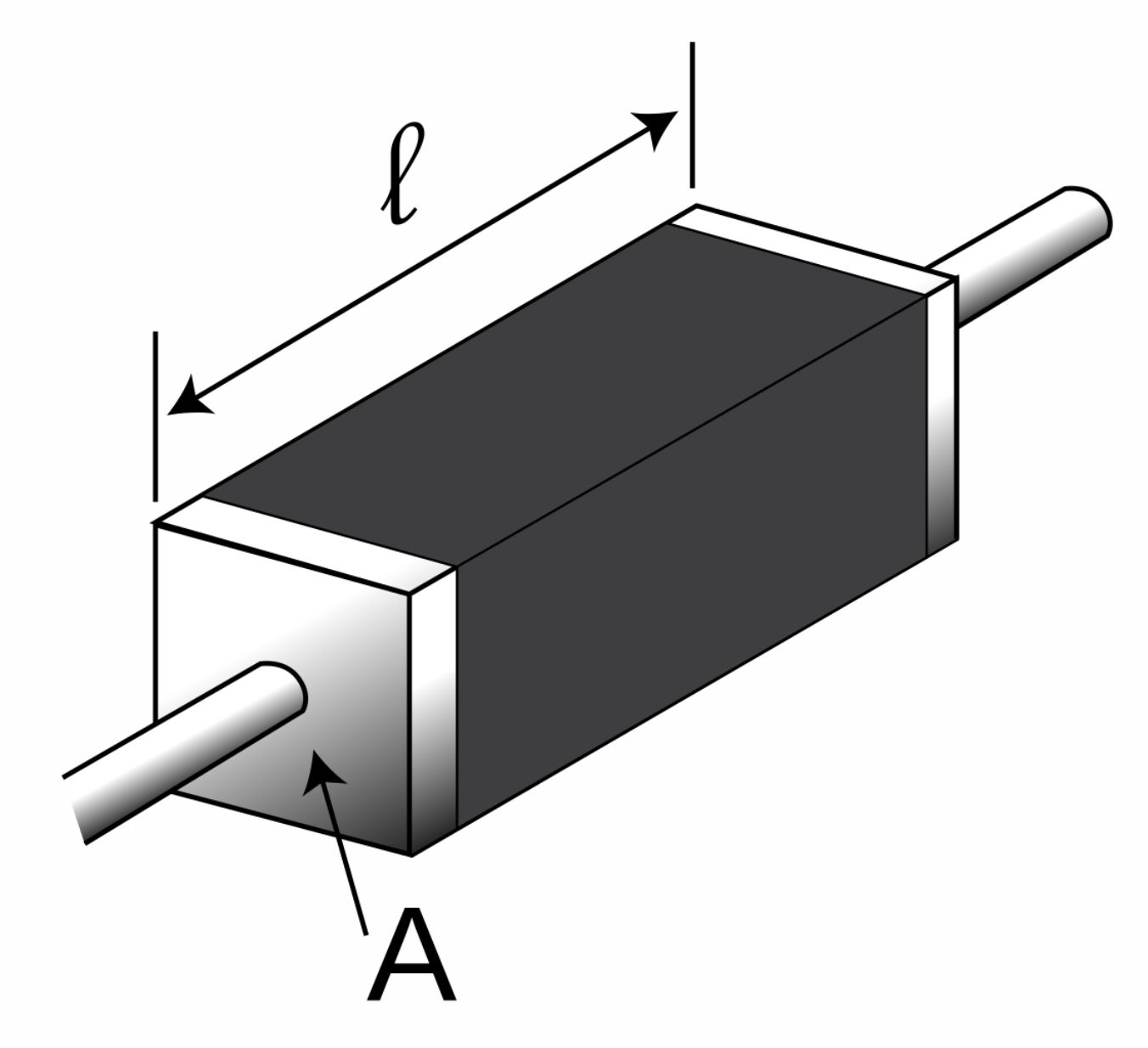
Lecture 15 (4.06.2026). Metal as classical gas: Drude model
Cancellation of errors leads to the right answer
resistivity measurements
thermoelectrics
Paul Drude
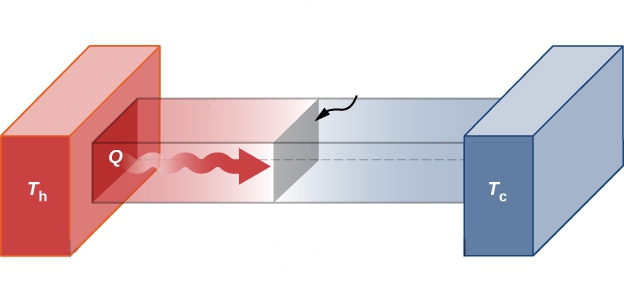
Lecture 14 (29.05.2026). Thermal expansion and thermal transport
Phonons as heat carriers
dilatometry
negative thermal expansion (NTE) materials
Joseph Fourier
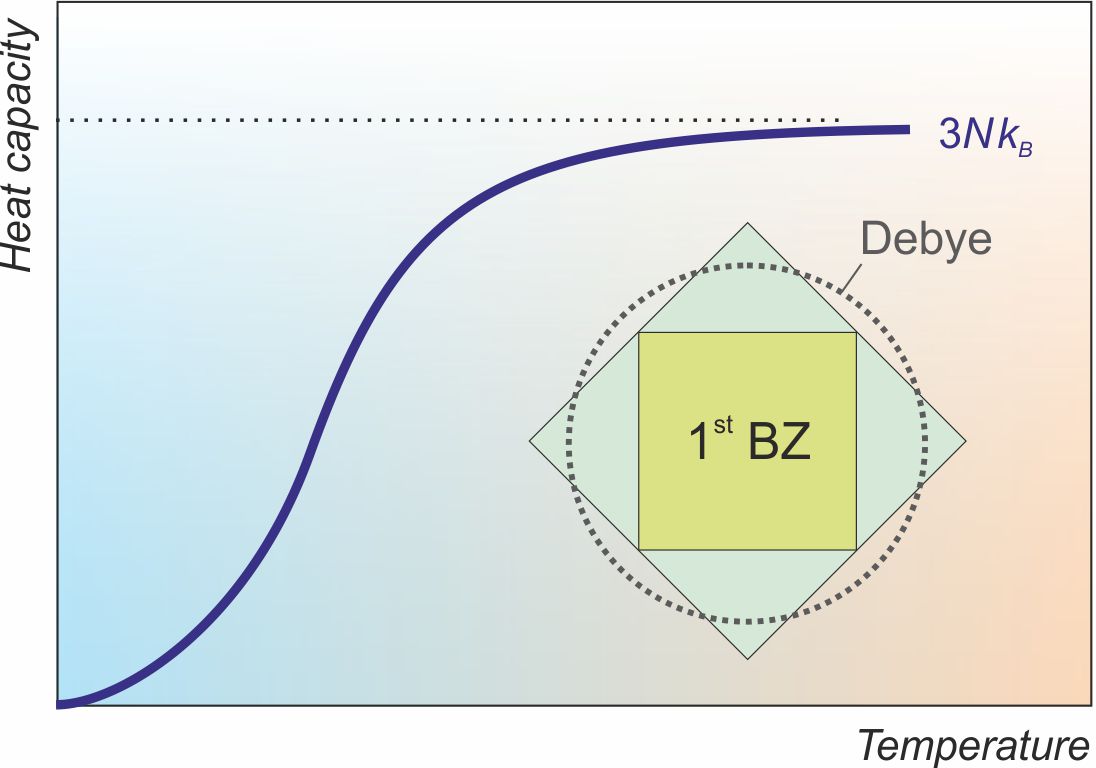
Lecture 13 (28.05.2026). Heat capacity and thermal expansion
Sphere instead of the Brillouin zone, and how phonons explain everything
calorimetry
Peter Debye
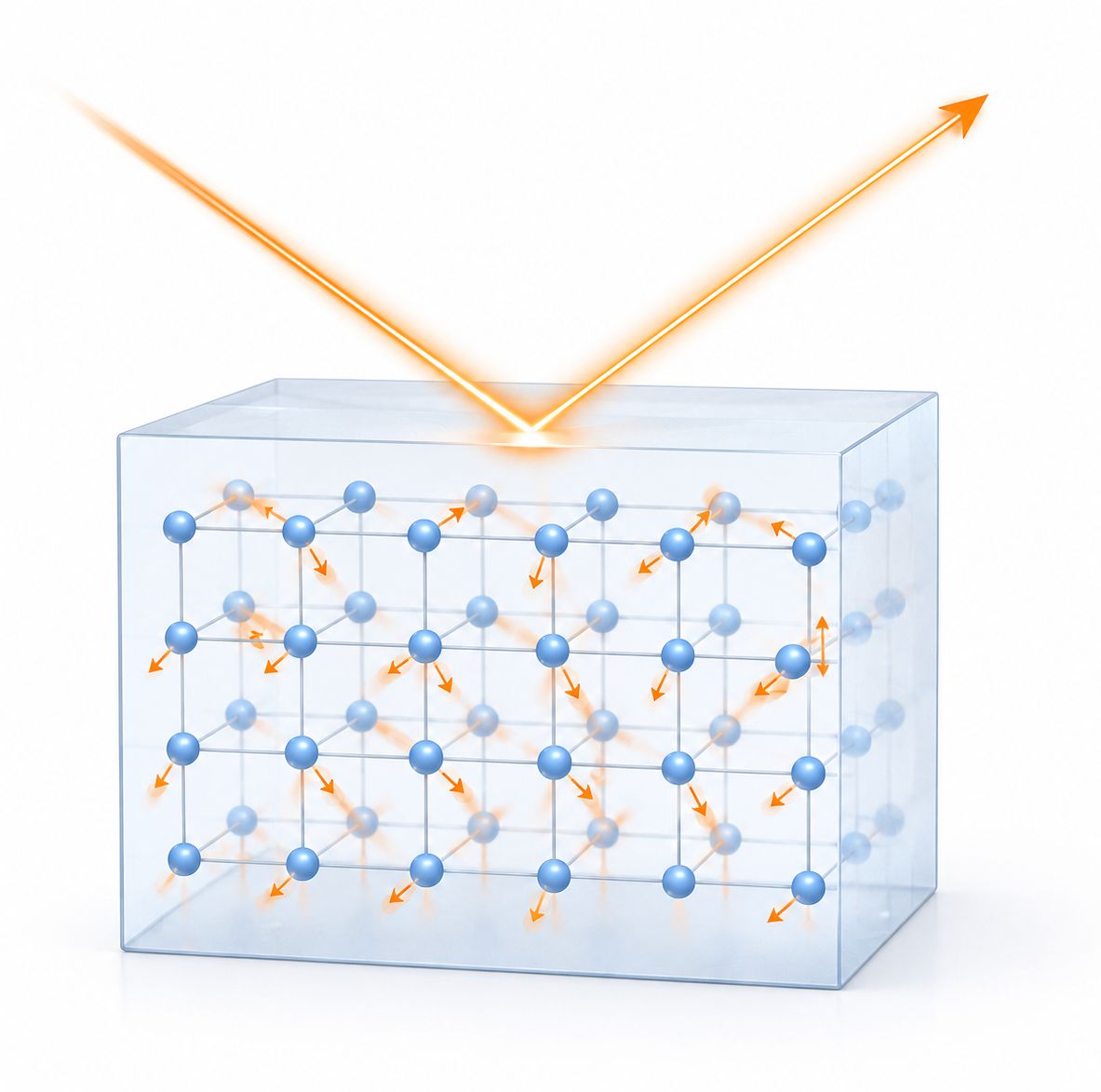
Lecture 12 (22.05.2026). Phonons and reciprocal lattice
Folding phonons into reciprocal space brings in a new repetition unit, first of its kind
inelastic scattering (light, x-ray, neutron)
Léon Brillouin
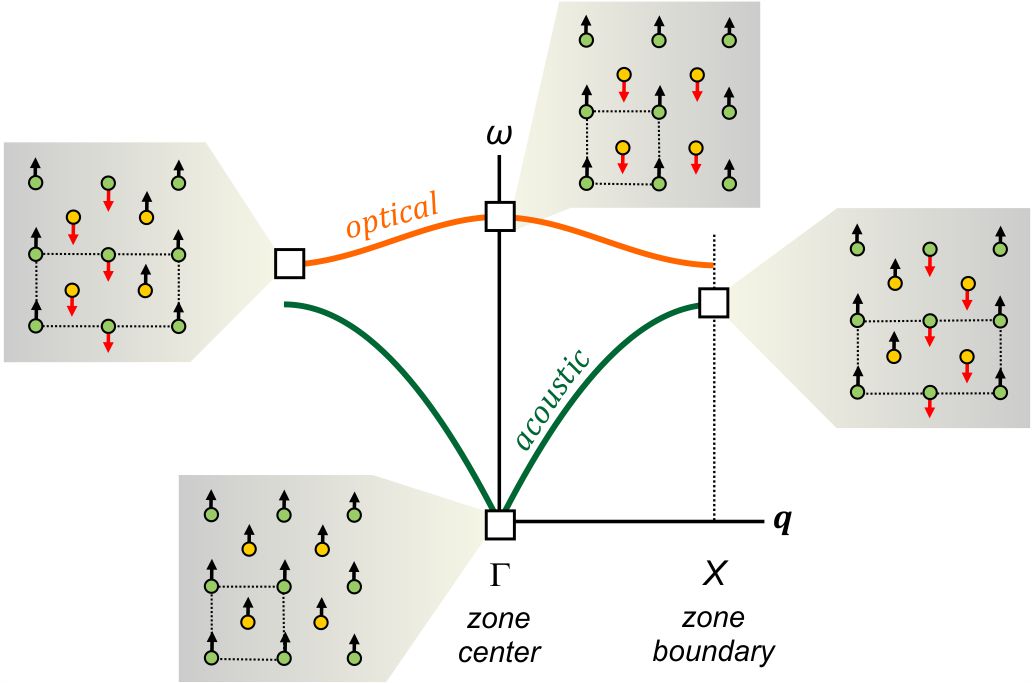
Lecture 11 (21.05.2026). Phonons and light
Unforeseen link between lattice vibrations and permittivity
infrared spectroscopy
greenhouse gases
Max Born and Edward Teller
Lecture 10 (14.05.2026). Phonons and sound
Lattice vibrations make noise and help in detecting earthquakes
ultrasound spectroscopy
Earth
Thomas Young
Lecture 9 (8.05.2026). Dielectric properties
Polarization from orientation, and how to use your microwave oven
dielectric spectroscopy
water and ice
Lorentz and Lorenz
Lecture 8 (7.05.2026). Mechanical properties
Stress, strain, and how to tear things apart
high-pressure XRD, mechanical tests
iron alloys
Robert Hooke
Lecture 7 (30.04.2026). Bonding in crystals
Close packings, holes, radii, and why size matters
calorimetry and Born-Haber cycle
tin
Linus Pauling
Lecture 6 (24.04.2026). Structure factor: all shades of diffraction
When extinctions are important, and how to catch light elements
neutron diffraction
solid hydrogen
DNA team
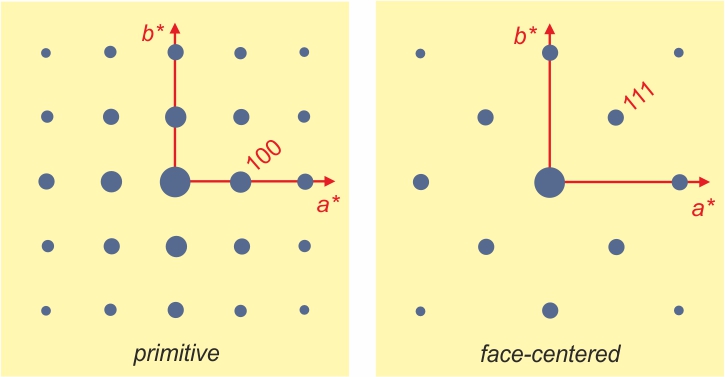
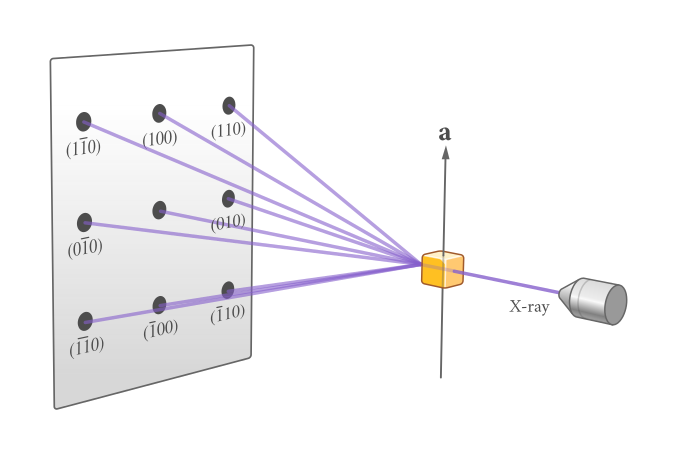
Lecture 5 (23.04.2026). Spaces of crystallography: Reciprocal lattice
From real space to the reciprocal space; x-rays as the tool for space travel
synchrotron x-ray diffraction
aperiodic crystals
Max von Laue and Paul Ewald
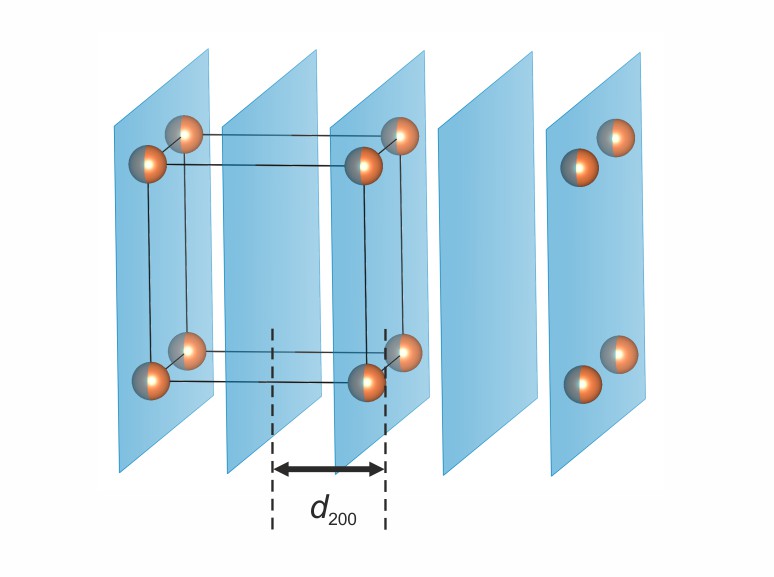
Lecture 4 (17.04.2026). Unpacking the crystal structure
Solid-state physics for dummies: a simple guide to crystal structures and their experimental probes
x-ray powder diffraction
William Bragg
Lecture 3 (16.04.2026). Systematics of crystals: symmetry groups
Solid-state physics for nerds: Universal classification of crystals and their properties
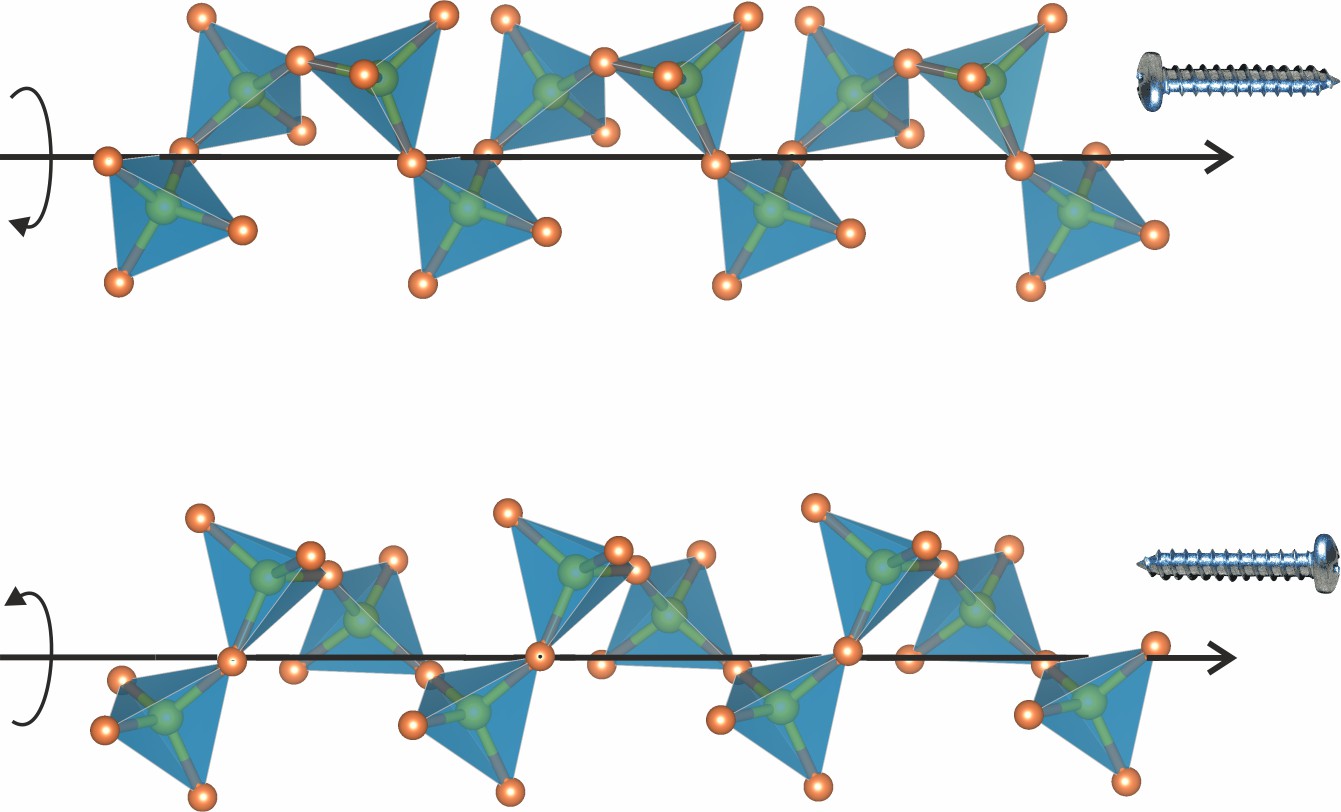
circular dichroism
chiral crystals and molecules
Evgraf Fedorov
Lecture 2 (10.04.2026). Symmetry as the guiding principle
What it means to be symmetric, and when wrong symmetry makes you aperiodic
polarimetry and birefringence
quasicrystals
Dan Shechtman
Lecture 1 (9.04.2026). Bravais lattice, or how to pack a crystal?
We will learn how to build a lattice, and how large the kissing number can be
electron microscopy
photonic crystals
N.B. Lecture slides contain images from publications that may be licensed differently from the rest of this webpage.